

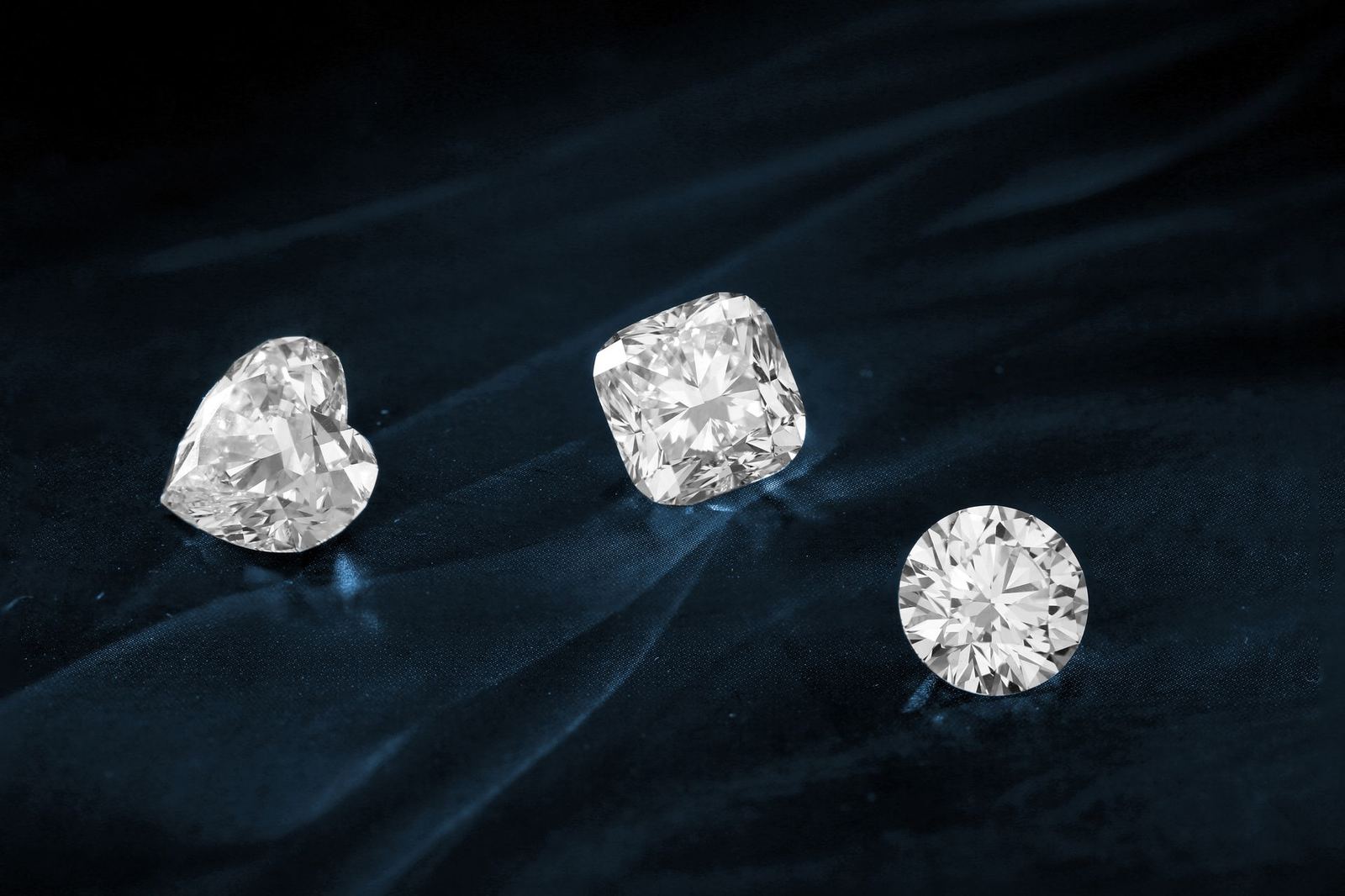
The four criteria that set a diamond's price and where to spend your budget.
When you buy a diamond, the first question is usually "how many carats?". Yet carat expresses weight only and is just one of four criteria that set the price. Known as the four Cs, carat, colour, clarity and cut together make it possible to choose a far more impressive stone for the same budget.
Carat: weight, not size
One carat is 0.2 grams. But two stones of the same carat weight look different in size if cut differently. Stones just under 1.00 ct (for example 0.90 ct) are often 15 to 20 per cent cheaper than a full 1.00 ct, yet the difference is almost invisible to the eye. Using this "magic number" effect is a smart way to stretch a budget.
Colour: the D-to-Z scale
Colour grading runs from D (completely colourless) to Z (light yellow). In a white gold or platinum setting, stones from G to H look colourless to the eye and are markedly cheaper than D to F grades. In yellow or rose gold even I to J colours blend in warmly.
Clarity: how visible are the inclusions?
Clarity shows the amount and position of natural marks (inclusions) in the stone. On the scale from FL to I3, grades VS1 and VS2 are the balance point at which inclusions stay tiny even under ten-times magnification and the stone looks completely clean to the eye. SI1 stones are also a good choice if the inclusion sits at the side; we check this together under the loupe.
Cut: the fate of the light
Cut determines how much light the stone returns and is the one of the four Cs that affects sparkle most. A badly cut stone of high colour and clarity looks duller than a well-cut stone of middling grades. We recommend putting the largest part of your budget into cut: prefer stones graded "Excellent" or "Very Good".
A practical order
If your budget is limited, follow this order: cut first, then carat, then go for grades of colour and clarity that the eye cannot tell apart (G to H, VS2 to SI1). Make sure every stone has an independent laboratory report; the report number must match the laser inscription on the stone's edge.
In our boutiques you can compare three different stones prepared for the same budget side by side under the loupe. The advice is free.
Fluorescence and symmetry
Besides the four Cs, fluorescence (a bluish glow under UV light), symmetry and polish grades also appear on the report. Strong fluorescence can make some stones look oily, while a slight amount can make yellowish stones look whiter. Comparing two stones side by side under natural light is the most reliable way.
Who issues the certificate?
The report must come from a gemmological laboratory independent of the seller. 'Certificates' that the seller writes itself do not prove a stone's value. Always match the report number with the inscription on the edge.
Related Posts
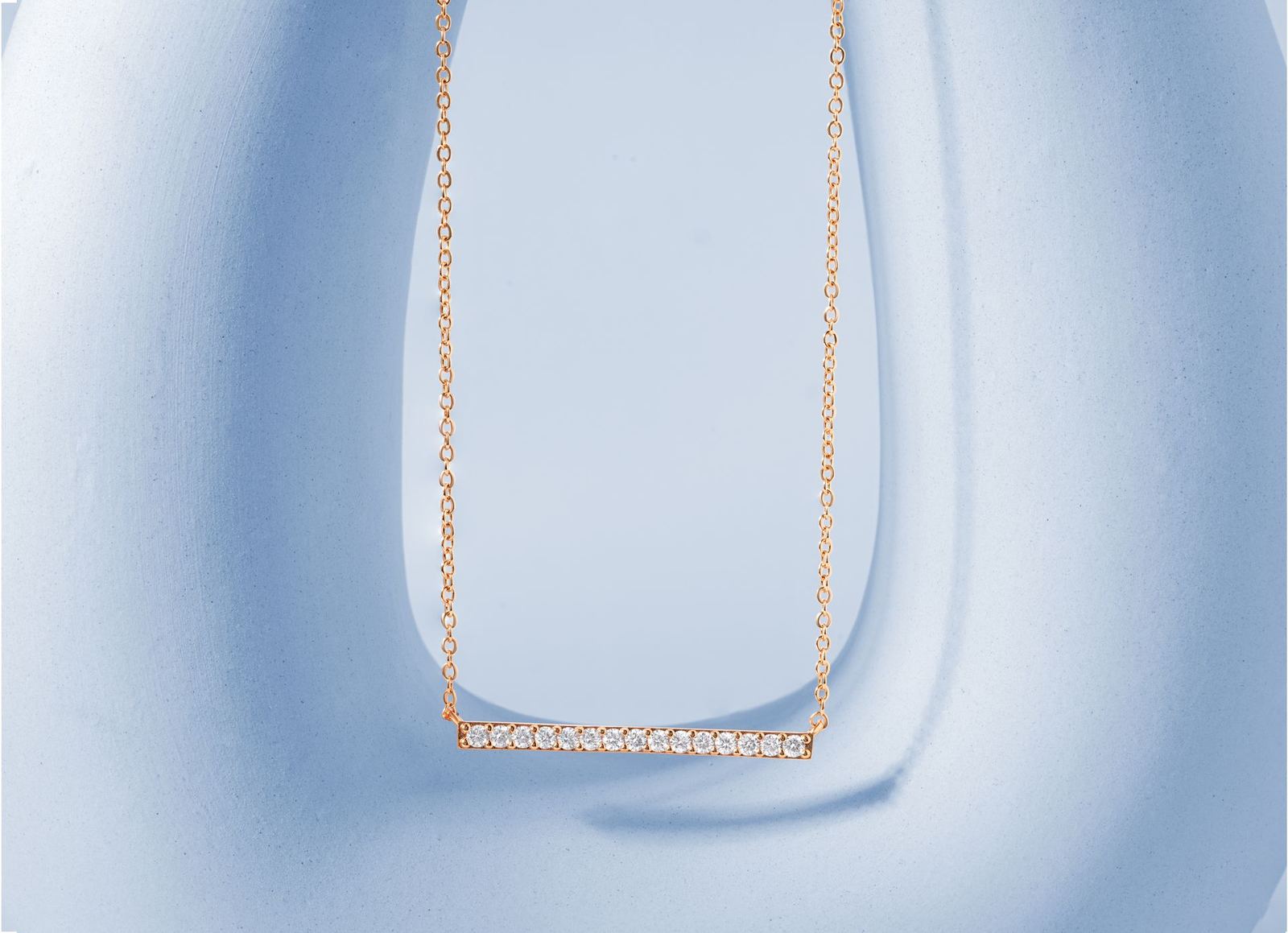
Gold Purity: The Difference Between 14, 18 and 22 Carat
What carat and fineness mean, and which purity suits which jewel.
Read More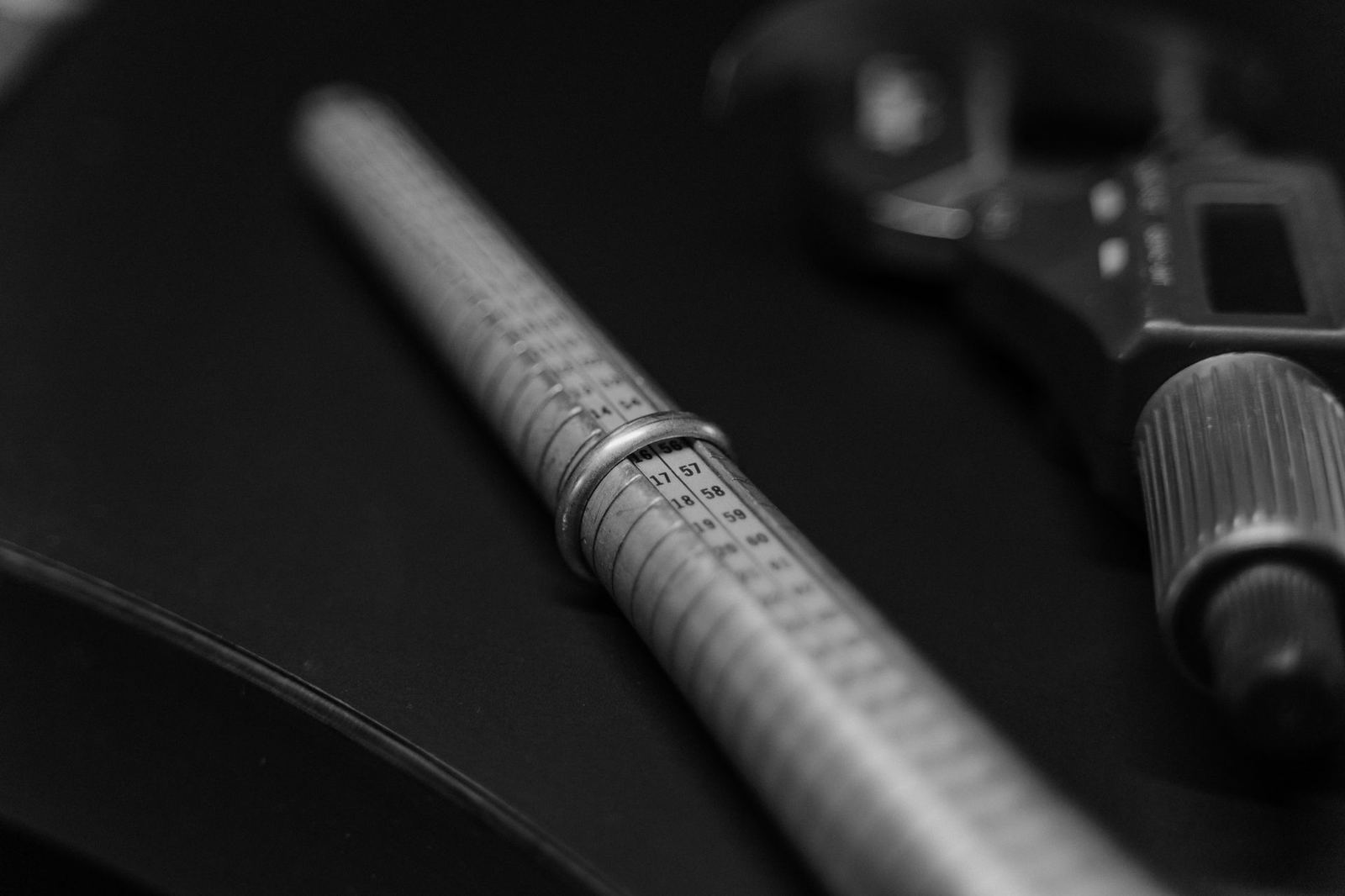
How to Measure Ring Size: Five Steps at Home
Practical and accurate ways to measure ring size at home, even for a surprise gift.
Read More